Today’s shoppers are seeking more than just products; they’re seeking unique experiences.
As brands continue to compete for attention in an increasingly digital world, physical stores are evolving into immersive environments that spark emotion, invite interaction, and leave lasting impressions.
This year, expect retailers to redefine what it means to connect with customers with creative uses of visual engagement solutions, retail design, and strategic innovations. Read on to learn more about our 2026 retail design trends.
2026 Retail Design Trends
#1 Redevelopment & Adaptive Reuse
Reimagining physical retail spaces is back in the spotlight.
In 2022, we identified store size reduction as a key redevelopment trend. Retailers began testing this approach by opening smaller stores in targeted neighborhoods and densely populated areas.
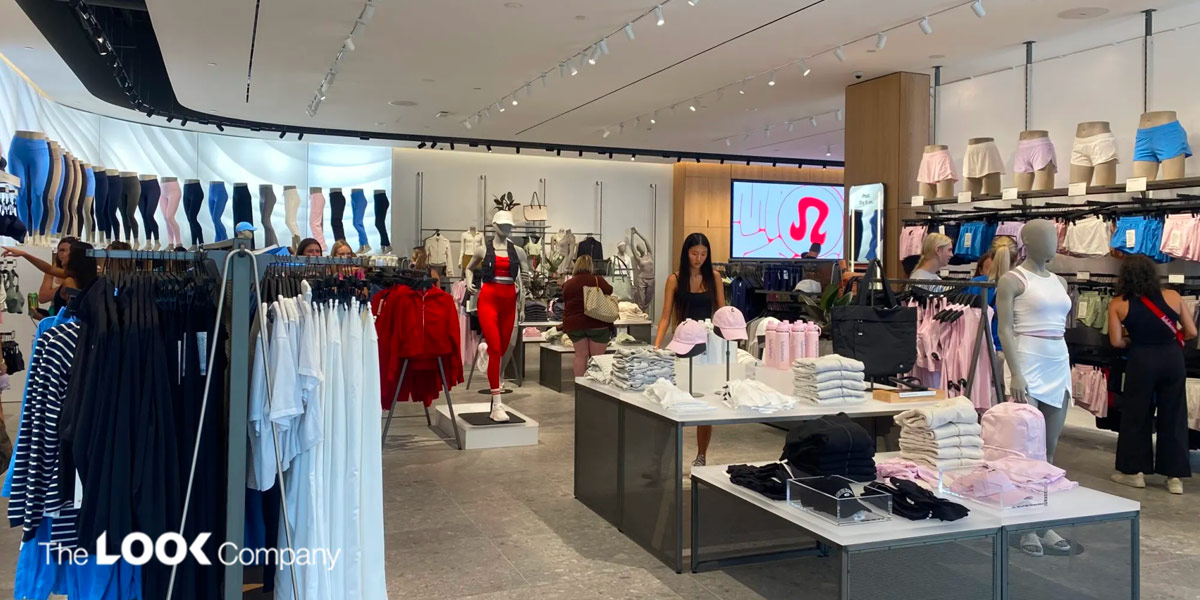
Now we are seeing the outcomes of these assessments more clearly. Retailers are redeveloping and reconfiguring their existing stores not only to make them more attractive and inviting to customers with updated designs and branding, but also to accommodate a smaller, targeted selection of products. Reducing the size of the stores also provides cost benefits from their decreased real estate footprint.
With the spatial transformation, retailers are repurposing space and downsizing the stock available on the floor. This opens up opportunities to partner with brands on long-term displays that span multiple promotions throughout the year.
2026 Retail Design Trends
#2 Future-proofing with Flexible Modular Systems
As immersive retail environments become the norm, the question for retailers and brands isn’t whether to invest in retail experience; it’s how to do so in a way that is adaptable over time.
Gen Z shoppers make up the majority of in-store customers, particularly for beauty and luxury items. They prefer in-person purchases for immediate ownership, entertainment, and access to in-store-only promotions.
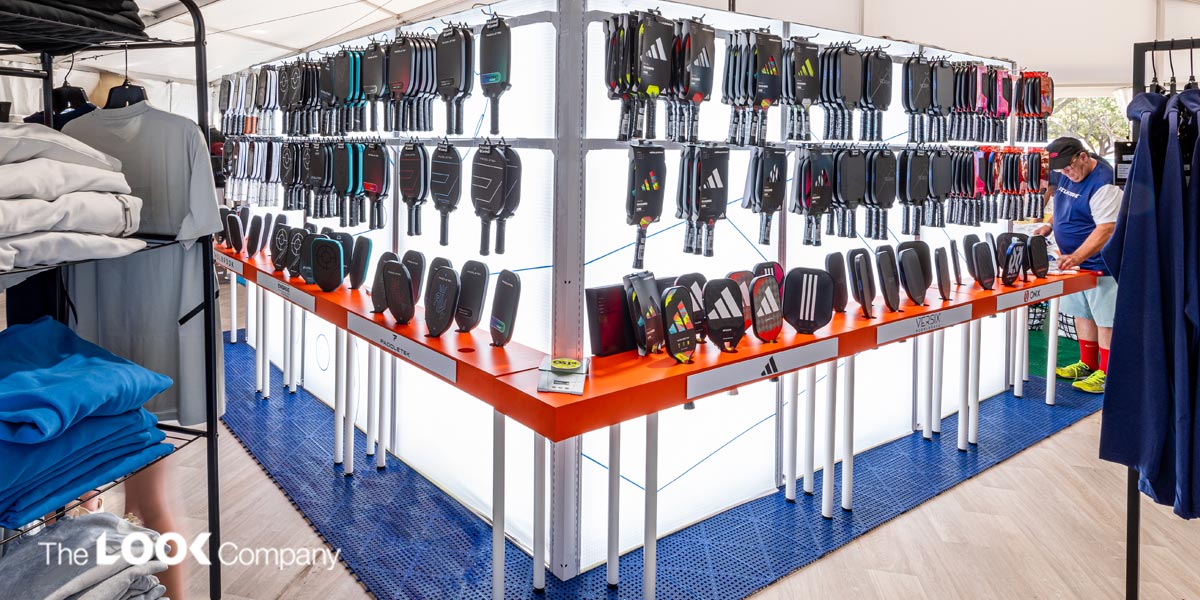
Adaptable fabric graphic display systems that can evolve along with retail brands and modern shoppers are invaluable. Modular system components with multiple uses enable retailers to flexibly repurpose the parts into other displays. Shifting from single-use applications can ensure interior retail spaces can adapt to tomorrow’s trends, campaigns, and partnerships.
2026 Retail Design Trends
#3 Customization and Personalization
Customization and personalization are always at the forefront of retail design strategy.
Tapping into customers’ wants and needs isn’t new, but what is new is finding even more ways to use that data to design unique retail interiors.
Data collection from loyalty programs, as well as tracking spending habits and search trends on websites and apps, has led to even more information about the habits, lifestyles, and preferences of shoppers. All of this rich data and insight can lead to the creation of impactful and immersive IRL (in real life) retail experiences that appeal to the majority of opinions or popular culture.
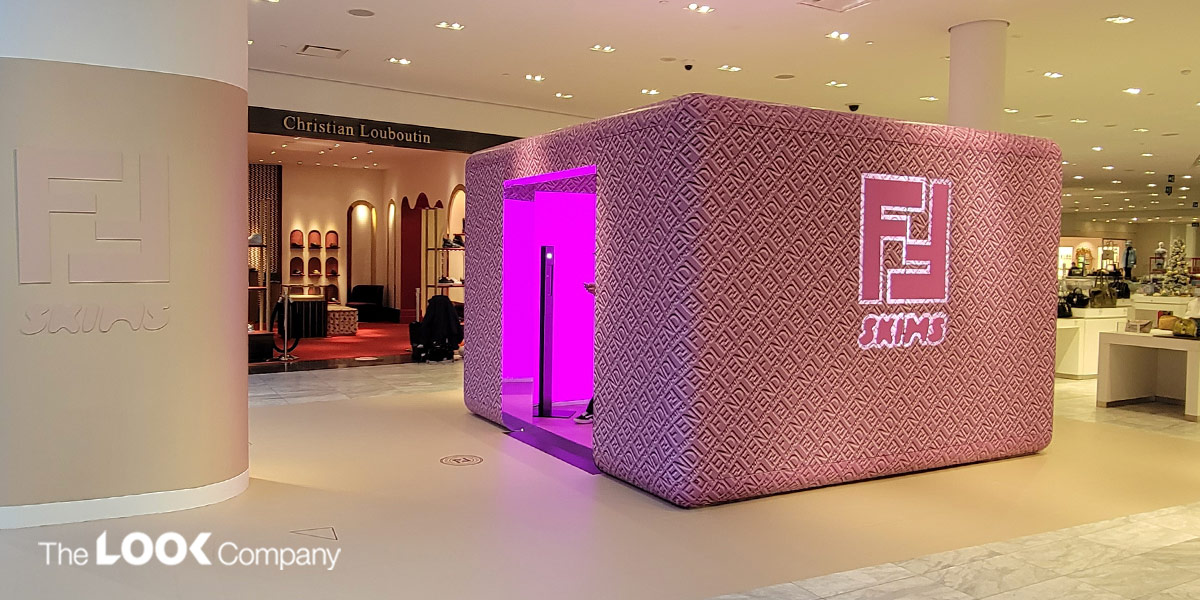
Alternatively, personalization doesn’t have to be based on personality or preferences. Consider interactive aesthetics to encourage shoppers’ engagement, such as motion-detected lighting, layered substrates, and graphics that transform when viewed from different angles, or mirrored surfaces that reflect the customer’s image.
2026 Retail Design Trends
#4 Digital Screen Phaseout
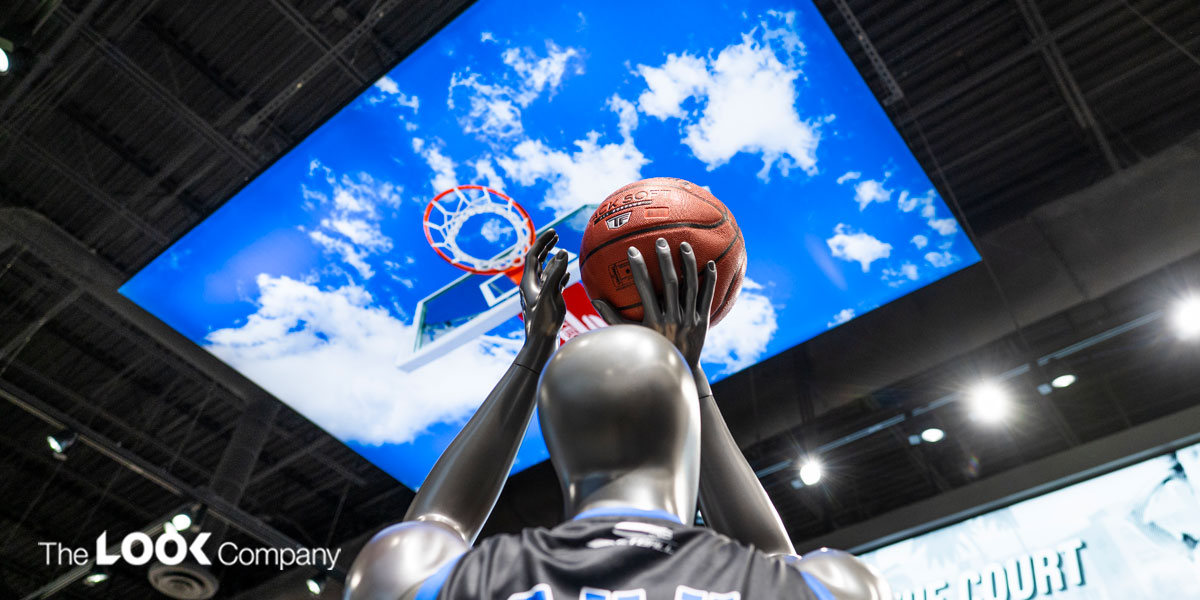
It’s the last thing you’d expect to hear in 2026, but with Gen Z turning away from online shopping, retailers are looking for alternatives to digital screens with programmed content.
With the high rate of technological advancement, stores are turning their backs on LED screens that are expensive, complex to install and maintain, and often have programming software issues that rely on store personnel to troubleshoot. By the time retailers see a return on investment, the screens are in need of an upgrade, whereas SEG fabric graphics and framing systems have a substantially longer lifetime.
Some of the benefits of choosing lightboxes or SEG non-lit fabric graphics are:
No glare. The surface of the graphic doesn't reflect ambient light.
Easier to integrate into existing displays and fixtures.
Stationary images that communicate more effectively. Digital screens on a rotating content schedule require a customer to be in the right place at the right time to receive key messages.
Allows customers to digest content and interact with their environment at their own pace.
More visual impact.
Lighter weight.
More design flexibility with size and shape.
2026 Retail Design Trends
#5 Biomorphic Interior Design
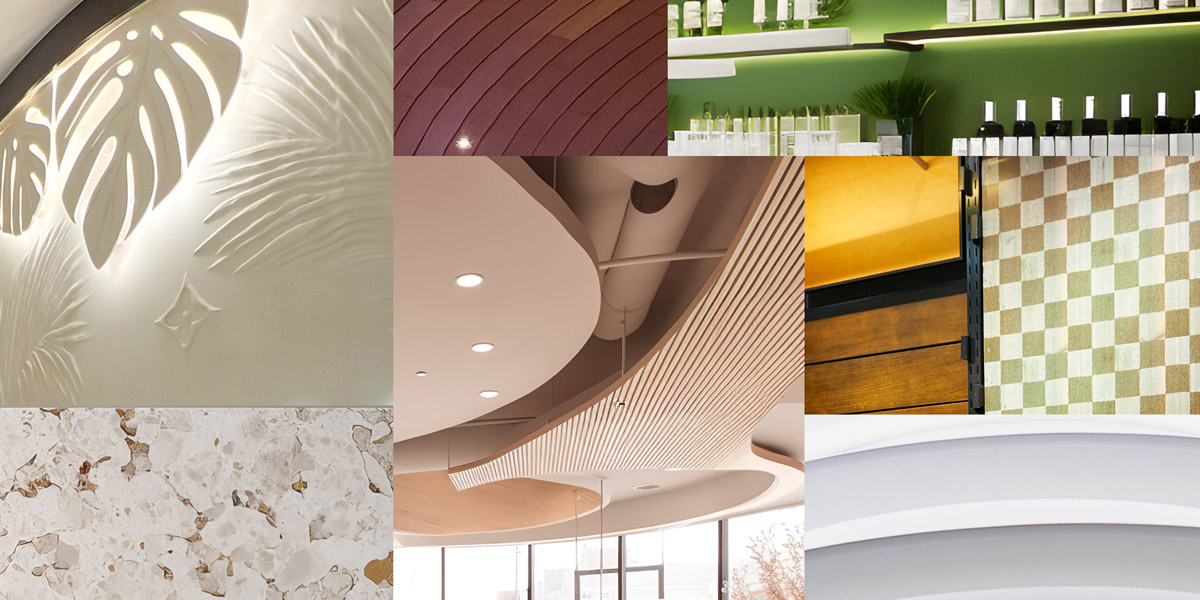
Last but not least, the most notable interior design trend that influences the aesthetics in stores is grounded in organic contours, textures, patterns, and colors.
Contrary to biophilic design trends we reported on in 2024, which served to bring the natural outdoors inside, biomorphic design is indirectly using aspects of nature as inspiration. Biomorphic elements such as kidney-shaped curves, flowing lines, rounded corners, and other naturally occurring shapes.
Gone are the stark, modern, clinical spaces. Instead, welcome warm in-store finishes such as mahogany, earth tones, and olive green accents that appeal to the emotions and comfort of shoppers.
Visual Engagement Solutions for Retail Environments in 2026
Retail spaces have evolved beyond simple points of sale to immersive experiential centers.
When design, innovation, and storytelling converge within a store, it creates a deeper connection with customers. As we look forward throughout 2026, these immersive retail environments are redefining how brands drive foot traffic, strengthen loyalty, and grow.
Turn today’s trends into tomorrow’s competitive advantage. Contact us to learn how visual engagement solutions can shape your retail space.