
Retail environments are evolving, and so are the materials used to create branded experiences.
One of the most effective display solutions today is tension fabric, often in the form of silicone edge graphics (SEG). But terms like “dye sublimation” and “SEG” can be confusing if you're not familiar with them.
In this article, we’ll explain exactly what tension fabric is, how SEG graphics work and why these systems have become a preferred choice for visual displays in retail and corporate spaces.
What Is Tension Fabric with SEG?
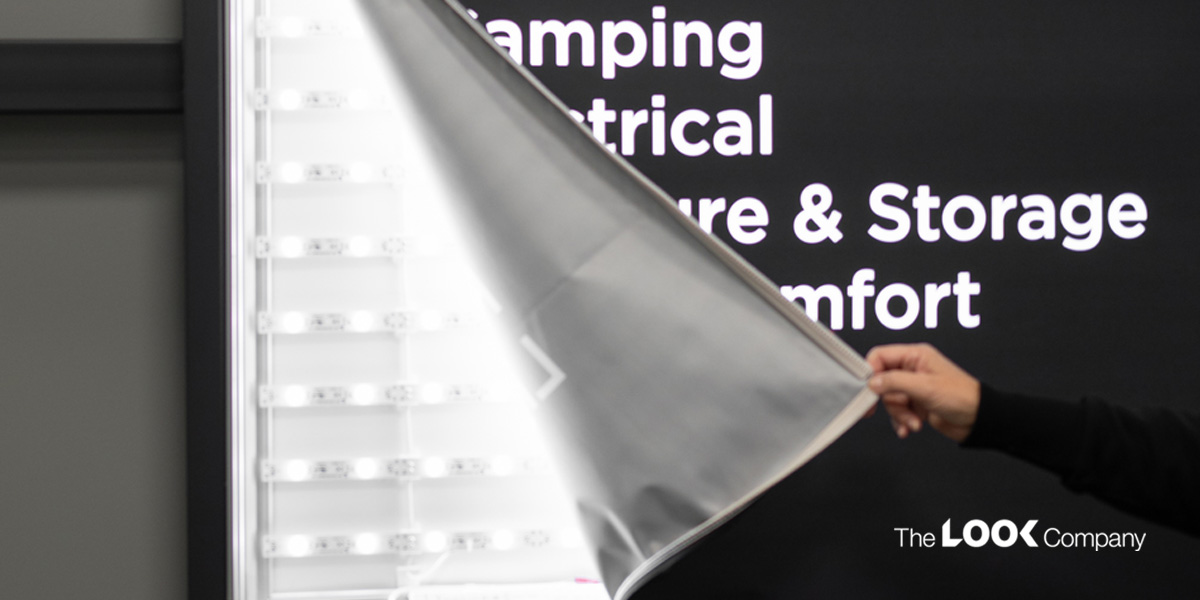
Tension fabric refers to a stretchable, wrinkle-resistant material printed with high-resolution graphics and mounted into an aluminum frame.
The result is a smooth, taut surface that looks clean and professional, ideal for retail and interior branding applications.
A common form of tension fabric used in modern displays is the silicone edge graphic (SEG).
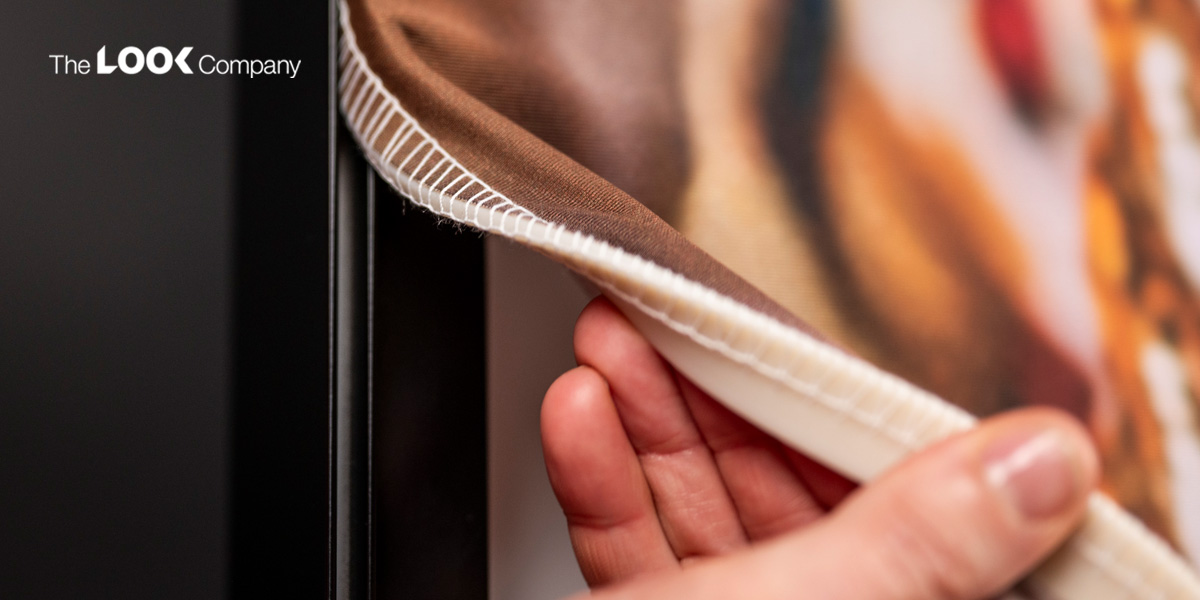
In an SEG system, the printed fabric is finished with a thin silicone strip sewn along its edge.
This strip is inserted into a narrow groove in the frame, stretching the graphic evenly across the display without the need for adhesives, hooks or visible fasteners.
Why Dye Sublimation Matters
SEG graphics are typically produced using direct dye sublimation, where inks are printed directly onto the coated fabric and then heat-set to fix the dye.
This technique allows the ink to bond with the fibers, resulting in:
Bold, vivid colors that resist fading
Crisp, detailed images
Soft, glare-free finishes ideal for backlighting
Because the ink becomes part of the fabric itself, tension fabric displays produced this way are durable, flexible and visually impressive even after repeated installations.
Why Tension Fabric is Gaining Popularity?
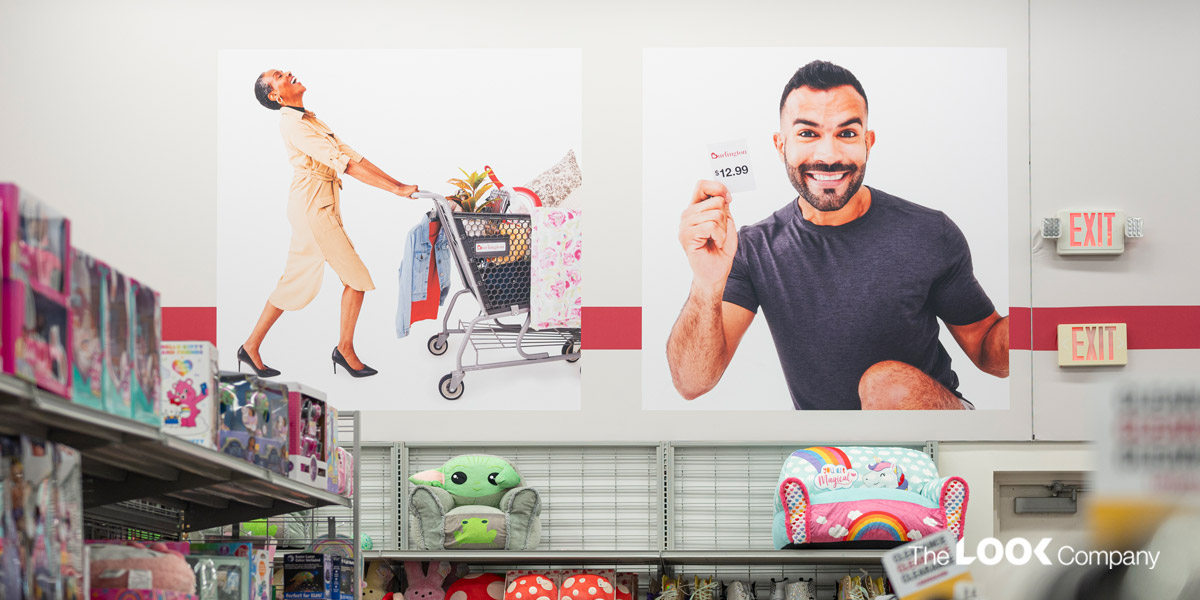
Retail and corporate brands are increasingly choosing tension fabric displays over traditional signage—and for good reason.
These systems offer a combination of aesthetics, durability and versatility that’s hard to match.
Clean, Professional Appearance
When stretched across a tension fabric display frame, SEG graphics present a seamless, wrinkle-free surface. The tight fit and frameless look provide a premium finish that elevates any environment.
Lightweight Yet Durable
Unlike rigid signage, tension fabric structures are easy to transport and install. The fabric is both lightweight and resistant to tears, creases and scratches, making it ideal for high-traffic areas and repeated use.
Designed for Flexibility
From wall-mounted frames to freestanding kiosks and modular exhibits, tension fabric can be customized to fit any application.
The same frame can accommodate different graphic panels, allowing for quick updates across seasons or campaigns.
Compatible with Lighting
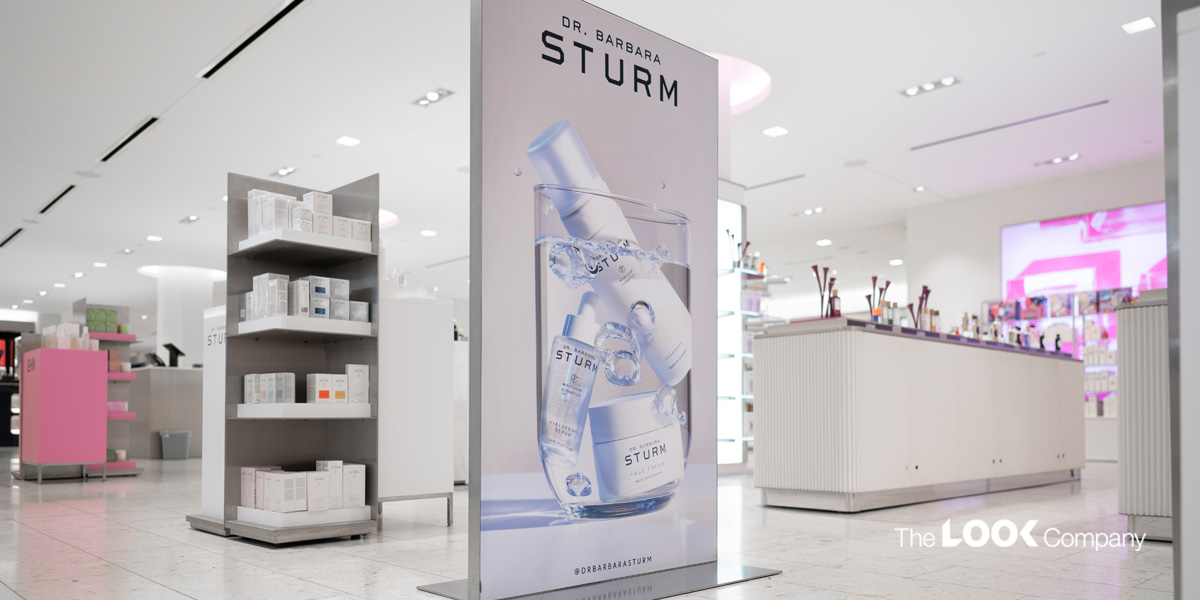
When paired with LED lightboxes, tension fabric is lit from behind, creating vibrant, evenly lit graphics without glare. Our Vivid Backlit Fabric delivers bold colors and a smooth, wrinkle-resistant finish for standout retail displays.
Environmentally Considerate
Many dye-sublimated fabrics are recyclable, and the reusability of SEG systems reduces waste compared to single-use signage.
That makes fabric signage a more sustainable option for long-term brand programs.
5 Reasons to Choose Tension Fabric Over Vinyl and Rigid Substrates
Retailers often rely on materials like vinyl, expanded PVC, foam board, acrylic, paper, and styrene for signage. While common, these substrates have drawbacks that affect cost, appearance and usability. Here’s how SEG tension fabric graphics stack up:
1. Light Quality and Glare
Vinyl and acrylic often reflect ambient light, causing glare that distorts colors and makes text hard to read. Tension fabric graphics offer a matte surface and work with backlighting to create clear, vibrant visuals without glare.
2. Wrinkles and Surface Wear
Vinyl can crease, and rigid signs can warp or sag over time. SEG graphics stay perfectly smooth and taut from installation to takedown—no steaming or re-tensioning required.
3. Durability in Transit and Handling
Paper and rigid boards are prone to scratches and tears during shipping or installation. Dye-sublimated tension fabric resists damage and holds up through repeated setups.
4. Ease of Installation
Rigid signs often need tools, adhesives, or skilled labor to install. SEG systems snap into place with tool-free assembly, making it easy for in-store teams to change displays quickly.
5. Cost and Flexibility
Custom builds with wood or permanent substrates are expensive and hard to update. SEG frames and fabric graphics offer a reusable, lower-cost alternative that’s easy to refresh for new campaigns.
Where Tension Fabric Works Best
Thanks to their versatility and visual impact, tension fabric displays are used across a wide range of settings.
Here are some of the most effective applications:
SEG Fabric for Retail Environments
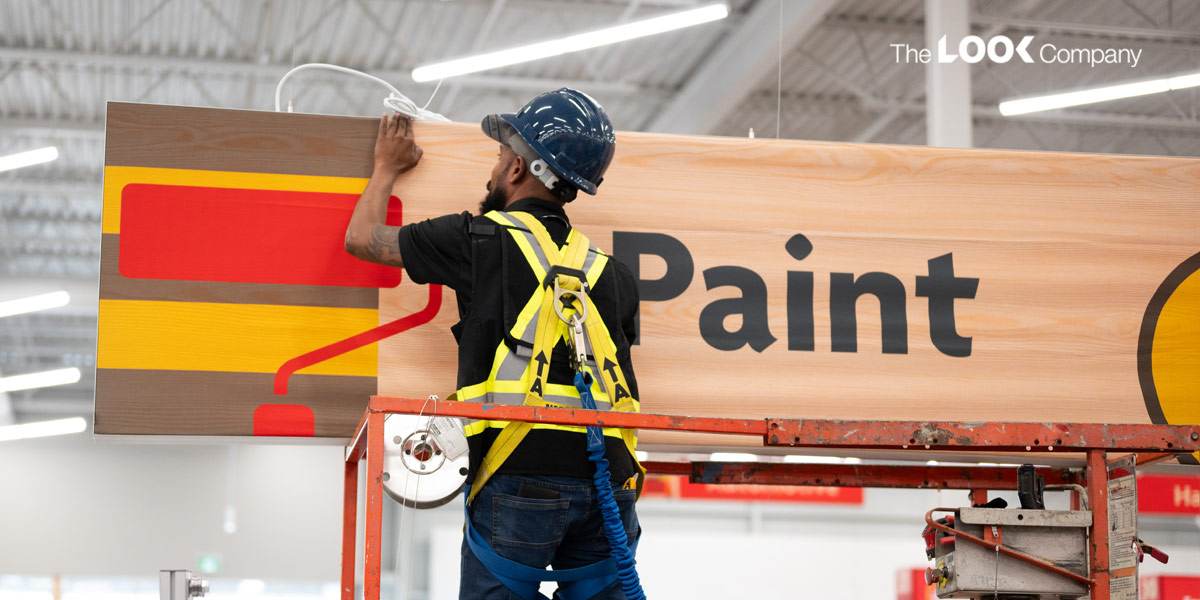
From storefronts and window displays to wall treatments and fabric signage throughout the store, tension fabric helps create a consistent brand experience.Pillar wraps, top-of-shelf runners and full-wall graphics can all be implemented using SEG systems for seamless integration.
SEG Fabric in Corporate Spaces
Offices and branded environments benefit from SEG’s clean look and ease of update. Use tension fabric display frames for internal wayfinding, meeting room signage or lobby branding.SEG Systems in Brand Activations
Whether it’s a promotional kiosk, product launch or branded backdrop, tension fabric structures can be customized to suit temporary installations that need to look polished and professional.Ease of Installation and Maintenance
One of the biggest advantages of tension fabric displays is how simple they are to work with—both at setup and over time.Quick, Tool-Free Installation
Tension fabric display frames are designed for easy assembly. The silicone edge of the graphic fits into the frame’s channel, stretching the fabric tight without tools or adhesives.Installations can be completed by in-store staff, minimizing downtime.
Lower Labor and Maintenance Costs
Because SEG systems don’t require skilled labor, retailers save on installation costs. Plus, the graphics are durable and resist damage, reducing the need for frequent replacements.Easy Graphic Swaps
Need to refresh messaging for a new season or product launch? SEG graphics can be swapped out quickly, using the same frame.
This makes updates efficient and cost-effective—ideal for high-frequency retail campaigns.Long-Term Usability
Frames are built to last and accommodate new graphics over time. This flexibility extends the value of your investment and supports ongoing visual merchandising strategies.
The Look Company: Transforming Retail Spaces with Tension Fabric Solutions
Tension fabric and SEG graphics offer a smarter, more flexible way to build impactful retail displays.
They solve the challenges of traditional signage—eliminating glare, wrinkling and difficult installations while delivering bold visuals and reusable systems that adapt to your needs.
At The Look Company, we specialize in creating custom retail display systems that help brands communicate clearly and consistently.
Our in-house design, project management and installation teams ensure quality at every step—from concept to rollout.
Looking to elevate your retail environment? Contact The Look Company to explore how tension fabric displays can simplify your signage strategy and strengthen your brand presentation.