
When stores within the same brand network share consistent color, materials and finishes, the result feels intentional and well-managed.
Visual brand consistency and brand-color accuracy do more than reflect design intent. They show whether execution stays intact once plans meet real-world conditions.
Seeing where things align and where they don't has also become much easier.
Photos from store openings, refreshes and routine updates are regularly shared across teams. Remote approvals and omnichannel visibility put different locations side by side, sometimes before a rollout is even complete.
Because of this visibility, consistency is increasingly viewed as a practical indicator of how a brand operates.
People often interpret this consistency as a testament to the brand's ability to execute effectively across various locations and over time. It reflects not just what a brand aims to do, but how reliably it can deliver.
Key Takeaways:
Branding consistency signals executional discipline, and that discipline builds trust between the retailer and the buyer.
Consistent retail environments suggest alignment between strategy, production and operations.
Visual brand consistency is easier to evaluate through rollout photos and field reporting.
Reliable brand color accuracy helps build confidence across teams and locations.
Brands that maintain consistency are seen as more prepared to scale.

Why Inconsistency Creates Doubt
In retail environments, small differences stand out.
During store walks, rollout reviews or refresh cycles, locations are naturally compared. When color, materials or finishes vary, those differences rarely feel isolated. Instead, they prompt questions about how execution is being managed.
Each team within an organization often experiences these variations differently.
Marketing may notice deviations from the approved standards.
Creative operations may see a lack of clear tolerances.
Procurement may recognize inconsistencies tied to vendor changes or regional sourcing.
In practice, inconsistency often exposes gaps between planning and the store floor.
Field teams and retail partners notice it as well. When signage or graphics look different from one location to the next, rollout reliability becomes harder to predict.
Shifts in retail print quality suggest that outcomes depend on local decisions rather than shared systems.
For customers, the effect builds over time. Multiple store visits, combined with mobile photos and digital sharing, make comparison easy.
Even subtle changes in brand-color accuracy or finish quality can chip away at confidence. In this environment, explanations like “color variance” are less convincing than they once were. That’s why leading production partners now rely on centralized color management systems that keep output aligned across facilities, machines and production runs.
As brands scale, inconsistency becomes a risk signal. It suggests execution cannot keep pace with complexity.
What Branding Consistency Actually Requires Today
Delivering branding consistency at scale is less about refining design and more about structuring execution.
Brands that perform well in this area focus on removing guesswork from production and rollout decisions.

Centralized Standards With Clear Accountability
Consistency starts with standards that can be applied at any opening, refresh, or reprint.
Color references, material, specs and finish expectations should be aligned clearly and consistently across regions.
Clear ownership matters.
When responsibility is spread across agencies, fabricators and installers, decisions tend to shift at the point of installation. For multi-location retailers, clear brand standards are what keep visual identity consistent across stores.
Defined Tolerances Enable Control
Most retail teams understand that some variation is unavoidable. Planning for these variations makes a difference.
Documented tolerances for color shift, material differences and production deviation reduce subjective judgment during approvals and installs. This is especially important for maintaining brand color accuracy across different substrates and lighting conditions.
Tolerances turn consistency into something that can be actively managed.
Color-Managed Workflows as Baseline
Color-managed printing workflows support predictability across devices, locations and production runs.
Capabilities such as color-managed printing, extended-gamut printing and 8-color printing help reduce variability and support repeatable results during rollouts and refresh cycles.
Today, these approaches are less about innovation and more about meeting baseline expectations for color accuracy in retail environments.
Consistency Over Time
Retail execution does not stop after opening day. Seasonal updates, reprints and phased rollouts need to blend seamlessly with existing environments.
Maintaining print consistency for retail brands over time requires disciplined file management, standardized processes and continuity across production partners.
Consistency works best when it’s designed into the system from the start.
Branding Consistency as a Signal of Executional Maturity
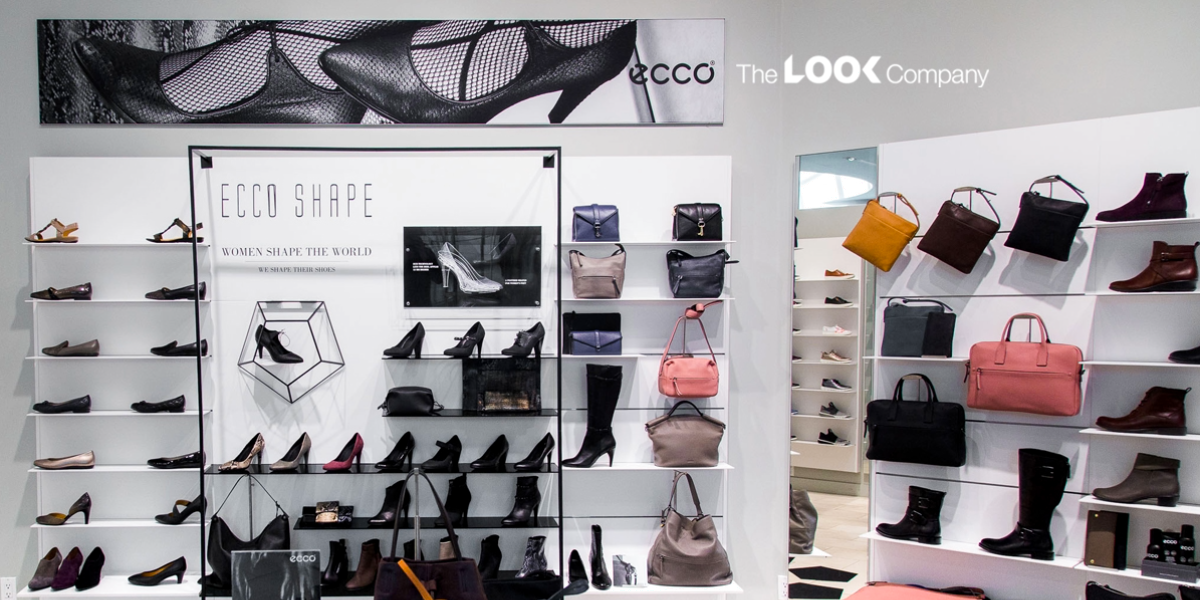
Brands that maintain branding consistency across locations often show strong alignment between marketing, procurement and production.
Creative intent, sourcing decisions and execution standards stay connected as projects move from planning into stores.
That alignment reduces last-minute substitutions that commonly appear during tight rollout schedules.
Discipline in Partner Selection and Oversight
Executional maturity shows up in partner choice.
High-performing retailers do not select vendors on price alone. They look for partners who can execute brand standards at scale, across regions and under tight timelines.
Strong partner selection includes:
Documented quality controls, not verbal promises
Proven ability to manage multi-location rollouts
Clear accountability from production through installation
Consistent material sourcing and color accuracy across markets
Structured reporting on timelines, defects and rework
Retailers that lack this discipline often see variation from store to store. Materials shift. Finishes drift. Install quality depends on geography.
The question becomes simple: is your partner protecting your brand standards or adapting them in the field?
Brands that treat partner oversight as part of brand governance see fewer corrections, fewer surprises and stronger buyer trust across every location.
Predictability as a Leadership Signal
For leadership teams, consistency supports predictability. When retail environments look the same across regions and over time, it suggests that systems are in place to handle growth.
Reliable brand color accuracy and execution quality indicate that expansion is less likely to dilute the brand experience.
Operating Signal, Not Visual Outcome
Consistency goes beyond appearance. It reflects execution discipline, builds trust and signals organizational alignment.
It reflects how decisions are made, how standards are enforced and how well execution holds together at scale.

The Look Company: Treat Branding Consistency as an Operational Discipline
Branding consistency has become a practical way to gauge how retail execution is managed across locations and over time.
Brands that achieve it work with enforceable standards, defined tolerances and partners capable of delivering repeatable outcomes through store openings, refreshes and ongoing updates.
For teams evaluating their own execution maturity, the opportunity lies in examining where variability enters the process and how consistently it is addressed.
The Look Company works with brands that approach retail execution as an operational discipline, helping support consistent outcomes across environments, regions and timelines.
To achieve consistency with your brand, contact The Look Company today.